Industry News

Redefining Aerial Delivery: Inside the Viewpro K4 Multi-Stage Dropper

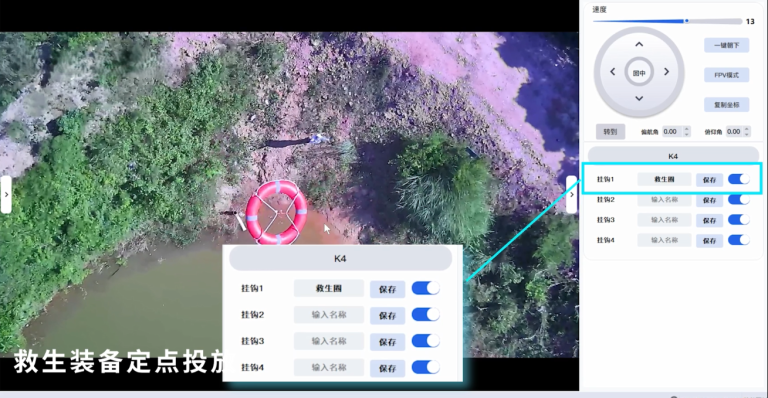
Aerial delivery is about more than carrying payloads. Release flexibility, operational convenience, visibility, and system compatibility all matter. Here’s how Viewpro K4 addresses these needs: 1. Four Independent Hooks | Flexible Delivery Four independently controlled hooks support multiple release points or combined release of a single payload weighing up to 20 kg. 2. Dual Release

Redefining Aerial Delivery: Inside the Viewpro K4 Multi-Stage Dropper Read More »
Solving Multiple Target Nodes in One Flight: Boosting UAV Mission ROI with Viewpro K4

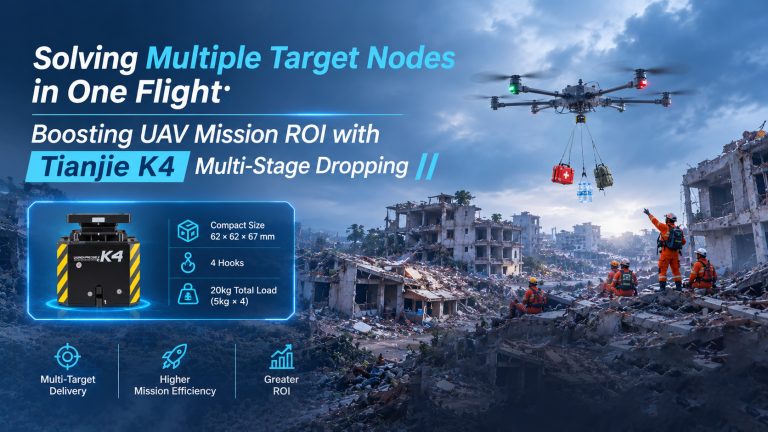
When an aerial mission requires delivering supplies to N different nodes, traditional drone deployment often faces a severe efficiency bottleneck. Taking a mission with 4 separate target nodes as an example, let’s look at a head-to-head data comparison: “1 vs N” Efficiency & Data Breakdown (Based on a 4-Node Mission) Metrics Traditional Single Dropper (1 Drop/Flight)

Solving Multiple Target Nodes in One Flight: Boosting UAV Mission ROI with Viewpro K4 Read More »

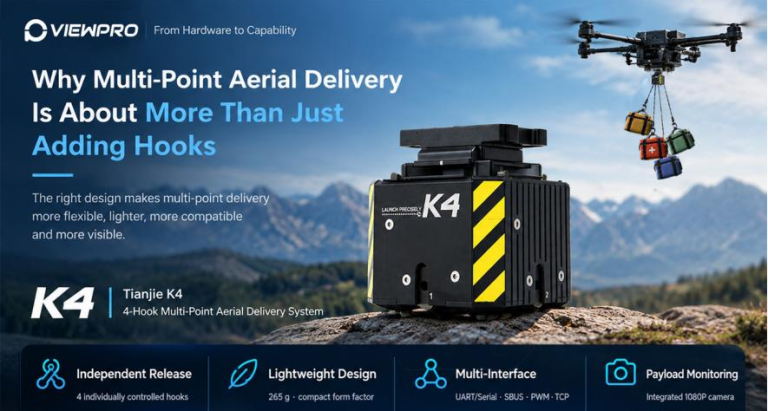
Multi-Point Aerial Delivery Is About More Than Just Adding Hooks

A well-designed drone delivery system needs to balance release flexibility, lightweight construction, interface compatibility, and payload visibility. 01 | Independent Release, Greater Flexibility Four independently controlled hooks allow different items to be released at separate locations. Alternatively, all four hooks can carry a single item weighing up to 20 kg. 02 | Lightweight Design, Broader

Multi-Point Aerial Delivery Is About More Than Just Adding Hooks Read More »

Night Operation Duo: How Searchlights and Gimbal Cameras Synergy Unlocks UAV Potential

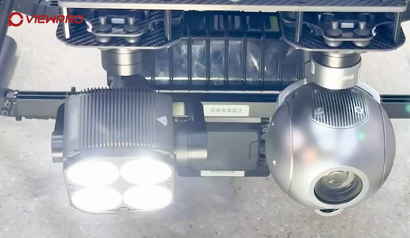
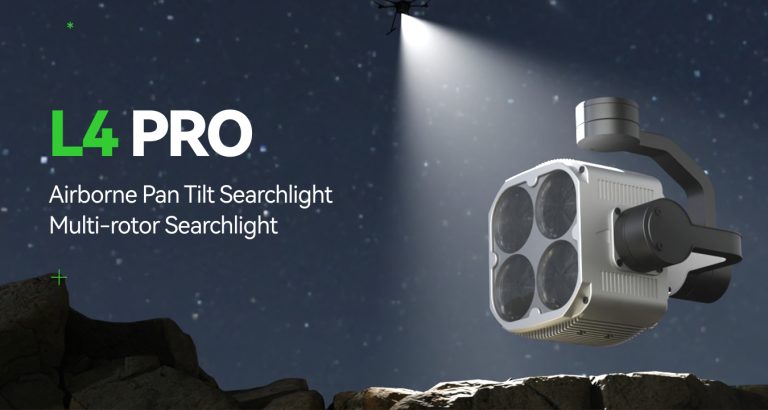
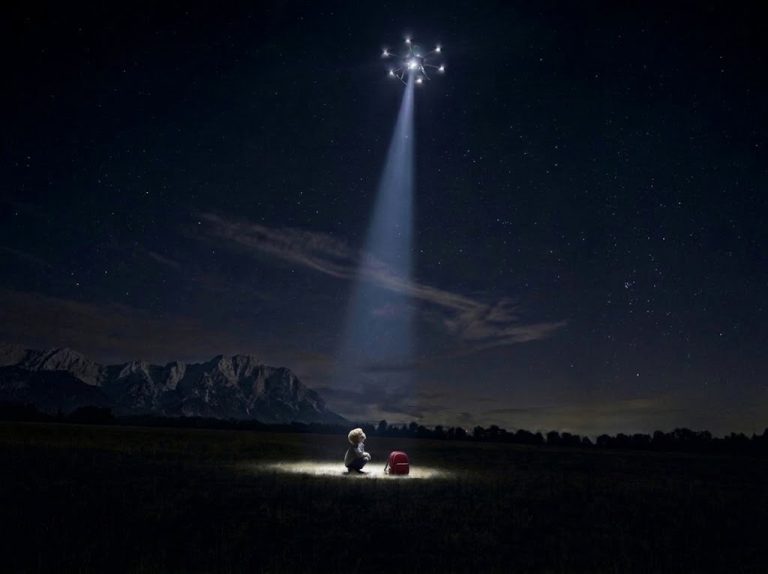
During nighttime drone missions, relying solely on a camera payload or a searchlight often presents clear limitations: Thermal Camera Only: Easily detects thermal signatures, but lacks RGB details like clothing color, facial features, or license plates. Searchlight Only: Illuminates a broad area, but without camera synchronization, the optical feed may miss the illuminated target. When

Night Operation Duo: How Searchlights and Gimbal Cameras Synergy Unlocks UAV Potential Read More »

What Makes a Reliable Antenna Tracking Gimbal? | Viewpro G1

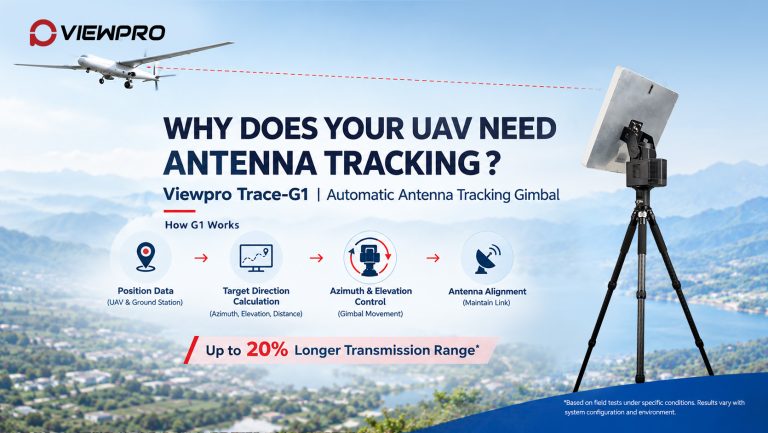
Accurate tracking is more than just rotating an antenna. It requires every part of the system to work together. The Viewpro G1 uses program-based tracking: the UAV transmits its position data to the ground station, which calculates the target’s direction, elevation, and distance. The gimbal then adjusts the antenna’s azimuth and elevation accordingly. What makes

What Makes a Reliable Antenna Tracking Gimbal? | Viewpro G1 Read More »

Boost UAV Transmission Range by 20%! Meet the Viewpro Trace-G1

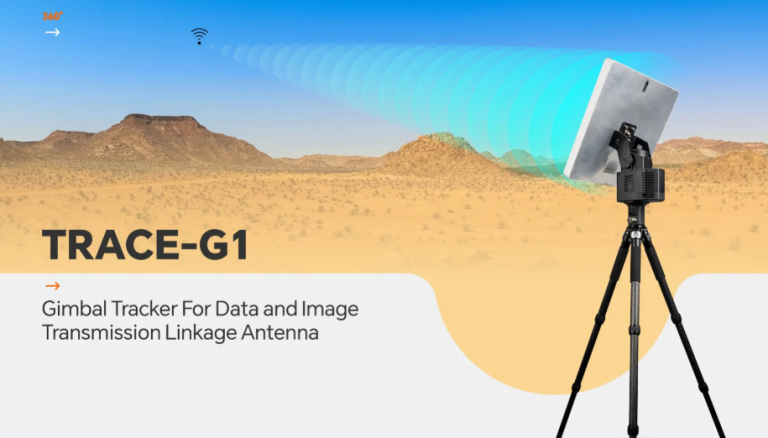
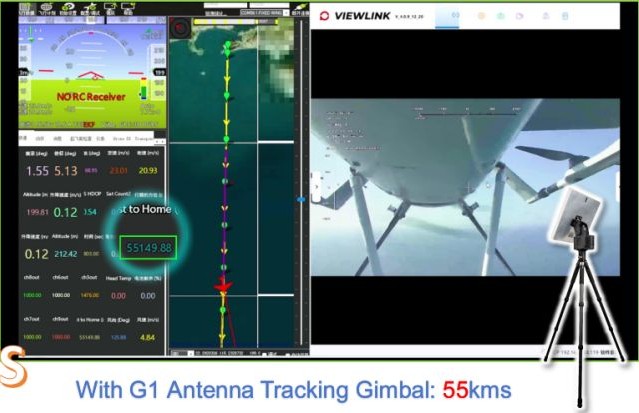
Struggling with laggy video and signal loss during long-range drone flights? The Viewpro Trace-G1 Antenna Tracker is the ultimate communication solution for BVLOS missions—boosting transmission range by up to 20%! 💡 6 Key Highlights: 🔹 Extended Range & HD Feeds: Field-tested results demonstrate up to 20% greater transmission range under specific test conditions by maintaining

Boost UAV Transmission Range by 20%! Meet the Viewpro Trace-G1 Read More »

Why Does Your UAV Communication System Need an Antenna Tracking Gimbal?

A directional antenna only performs at its best when it points in the right direction. Unlike omnidirectional antennas, directional panel antennas concentrate their energy in a specific direction. This helps establish a more focused communication link—but it also creates a challenge. As a UAV moves farther away, changes altitude, or flies across different directions, the

Why Does Your UAV Communication System Need an Antenna Tracking Gimbal? Read More »

Pods in Post-Disaster Rescue Operations

In post-disaster scenarios, the rapid and efficient assessment of damage is critical for saving lives and facilitating timely aid. Pods, equipped with cutting-edge sensors and imaging technologies, play an indispensable role in disaster response by enabling fast, comprehensive aerial surveys, even in complex and hazardous environments. Key Applications of Pods in Disaster Response: 1. Damage

Pods in Post-Disaster Rescue Operations Read More »

How to Leverage Gimbal Camera for Resource Exploration

Gimbal Camera technology is playing an increasingly important role in resource exploration, especially in industries such as mining, oil, and natural gas. By being mounted on drones, helicopters, or other aerial platforms, Gimbal Cameras utilize their stable imaging capabilities and high-resolution image capture to provide precise real-time data support for resource exploration. Below are the

How to Leverage Gimbal Camera for Resource Exploration Read More »

Gimbal Camera and Transportation: Enhancing Logistics Efficiency and Safety

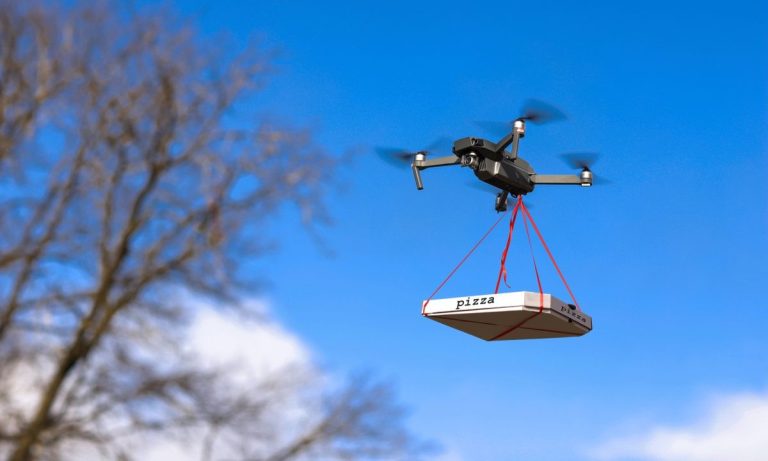
Gimbal camera technology plays a critical role in modern logistics and transportation, especially in drone deliveries, autonomous transport, and warehouse management. By providing stable, high-precision real-time imagery, Gimbal Cameras enhance safety, accuracy, and efficiency throughout the transportation process. 1. Enhancing Safety in Drone Deliveries In drone deliveries, Gimbal Cameras ensure high-definition imagery and stable viewpoints,

Gimbal Camera and Transportation: Enhancing Logistics Efficiency and Safety Read More »

Forest Fire Management 2.0: How Gimbal Cameras Revolutionize Fire Detection and Control

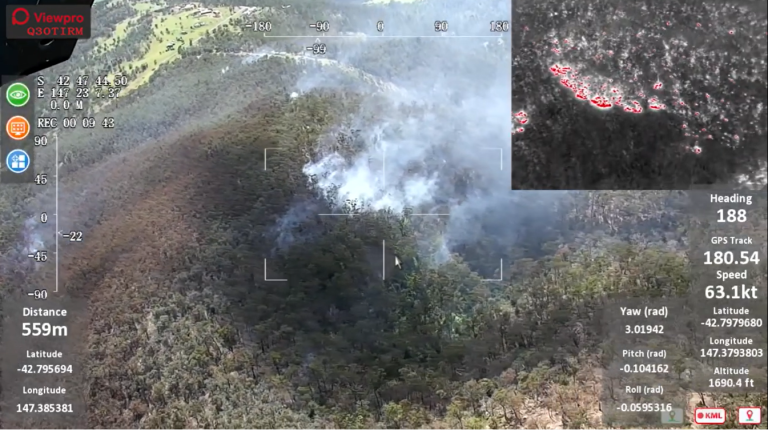
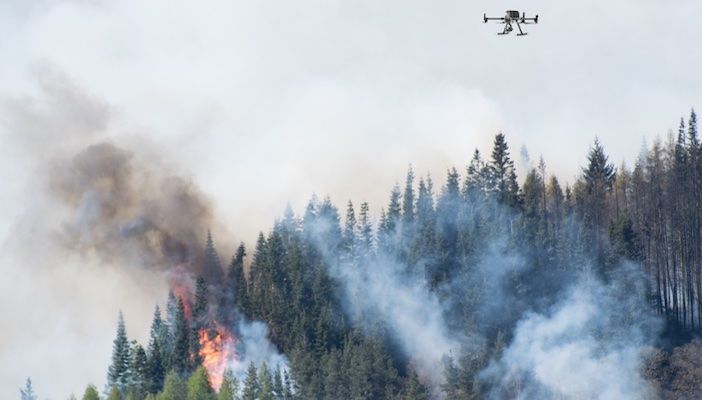
Before diving into the role of gimbal cameras in forest fire management, let’s start by watching a video that demonstrates the use of gimbal cameras in real-time fire monitoring and emergency response. As global climate change and human activities continue to escalate, forest fires have become one of the most significant challenges worldwide. Traditional methods

Forest Fire Management 2.0: How Gimbal Cameras Revolutionize Fire Detection and Control Read More »

The Relationship Between Camera Pods and Agriculture

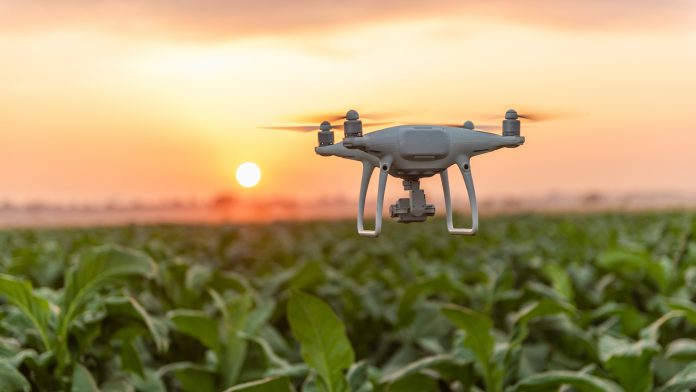
The integration of pod technology into agriculture marks a significant leap forward in modern farming practices. By combining advanced hardware and software, pods have become a pivotal element in transforming traditional agriculture into a more efficient, precise, and sustainable system. Mounted on drones or other mobile platforms, pods are equipped with high-resolution cameras, multispectral sensors,

The Relationship Between Camera Pods and Agriculture Read More »

The Role of Pods and Gimbal Cameras in Building and Infrastructure Inspections

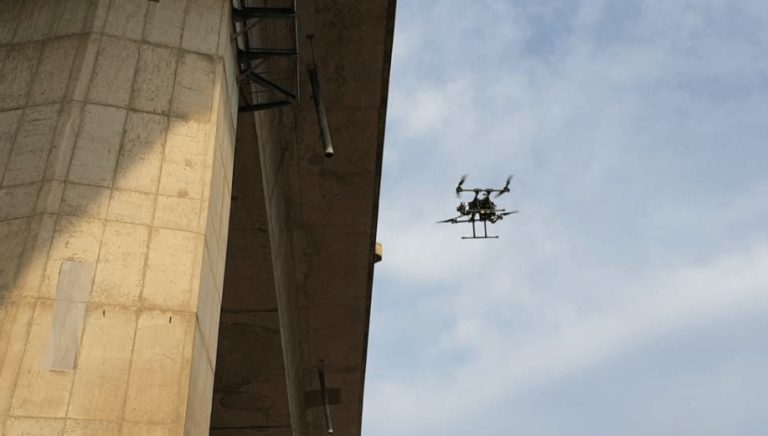
  As technology evolves, building and infrastructure inspections are increasingly shifting towards automation and smart solutions. Traditional manual inspections are inefficient, costly, and carry safety risks. Drones equipped with gimbal cameras and pods have become essential tools for improving inspection quality, speed, and safety. This article outlines the key roles and advantages of these technologies

The Role of Pods and Gimbal Cameras in Building and Infrastructure Inspections Read More »

Camera Pods Empowering Unmanned Power Line Inspections

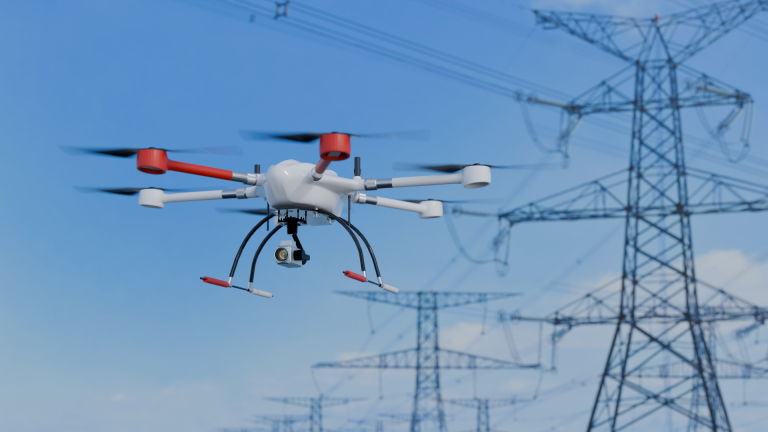
With the introduction of camera pods, power line inspections have undergone a revolutionary transformation. Tasks that once relied heavily on manual labor are now automated, faster, safer, and more accurate. Pods have redefined efficiency and reliability, enabling a smarter, unmanned approach to maintaining power grids. 1. Past: Manual Inspections Dominated 2. Present: Camera Pods Empowering

Camera Pods Empowering Unmanned Power Line Inspections Read More »

What are the Differences Between Gimbal Camera and Pod?

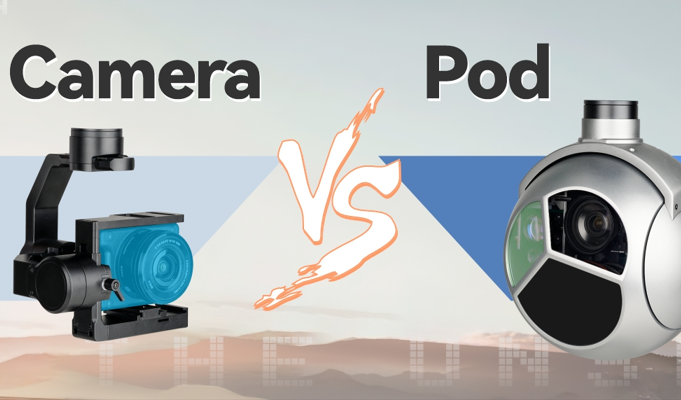
What’s the difference between gimbal camera and pod? According to traditional view of UAV industry, here are the differences: Feature Gimbal Camera Pod Core Functionality Provides camera stabilization to reduce vibration and shake Integrates multiple devices (e.g., cameras, sensors) for stable shooting and multi-task execution Design Typically separate camera and gimbal system, simple and portable

What are the Differences Between Gimbal Camera and Pod? Read More »

Scroll to Top